
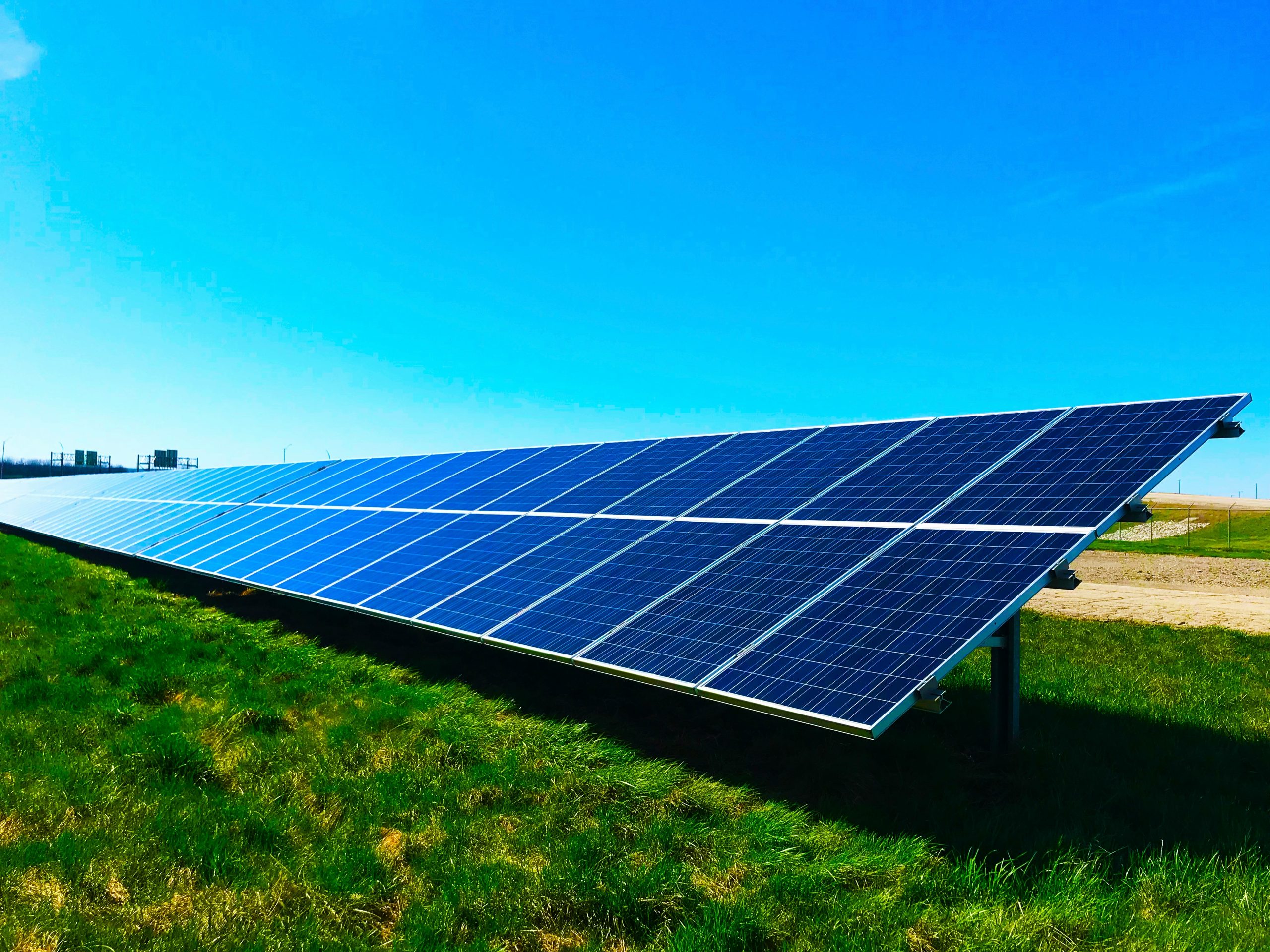
2026 is an exciting milestone in solar energy’s journey. Homeowners want to know, are solar panels worth it today? The answer depends on savings and how fast the panels pay back their investment.
Solar energy offers many ways to reduce monthly bills. Better designs and higher efficiency mean solar panels last longer in 2026. Today’s systems also produce more power than older models. It makes them an investment with real value.
In this blog, we will explore the cost of solar panels in 2026, the savings you can expect, and how long it takes to recover the money you invested.
Average Solar Panel Costs in 2026
(US national averages for residential systems; costs ~$2.50–$3.50/W before incentives. The federal 30% ITC ended for most homeowner-owned installs after 2025, so no broad incentives apply. Savings based on ~$0.18/kWh average rate and ~1,500 kWh/kW annual production.)
| System Size | Average Cost (Before Incentives) | Estimated Monthly Savings |
| 3 kW | $7,500–$10,500 | $35–$55 |
| 5 kW | $12,500–$17,500 | $60–$90 |
| 7 kW | $17,500–$24,500 | $85–$125 |
| 10 kW | $25,000–$35,000 | $120–$180 |
Costs vary depending on location, installer, roof type, and equipment. Larger systems often lower the $/W. Monthly savings depend on sunlight, usage, and local electricity rates, higher in states like California or New York.
Factors that Affect Solar Panel Pricing
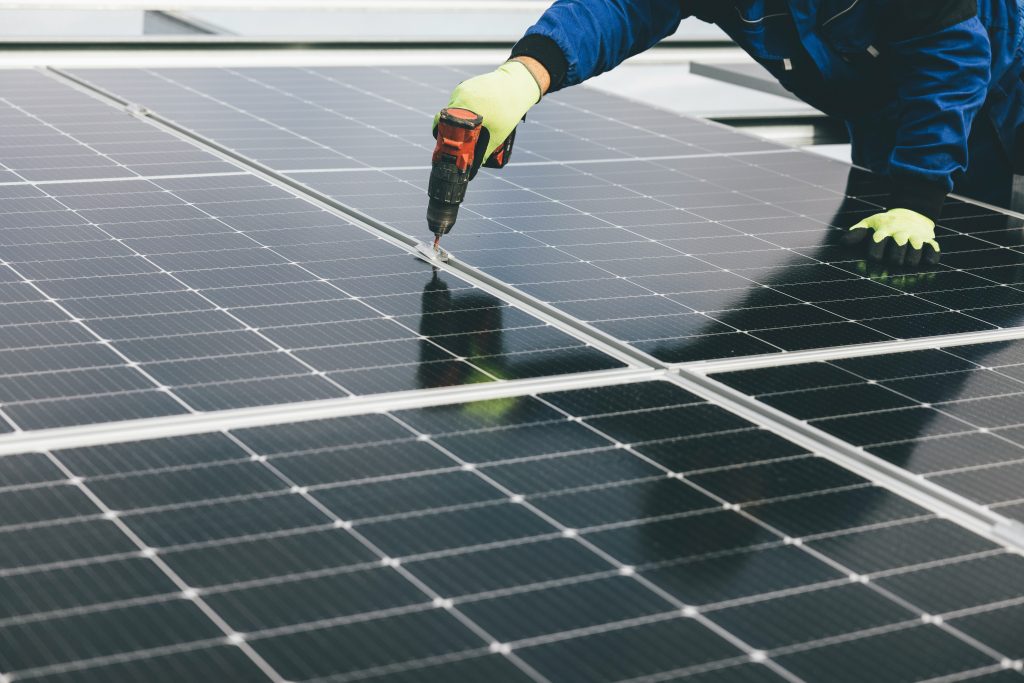
The cost of solar panels depends on different factors, discussed below.
- Size of the System
The first factor is the system size. Larger homes typically require 7kW or even 10kW systems for proper energy coverage and energy savings. Here, the initial investment will increase with the system size, and in ROI, you will experience maximum savings, leveraging zero electricity bills, solar incentives, and rebates.
- Location & Climate
Where you live matters; in sunny states, solar panels produce more power, so fewer panels are required to meet energy demand. But for regions with less sun exposure, larger solar systems are needed. Labor costs also change by location. Some states have higher installation rates than others, depending on the demands. Local solar installation rules, building codes, and permit fees also affect the panel price.
- Roof Condition
Your roof condition and layout matter when installing solar. A simple flat roof is cheaper to work on than a roof with many angles. If the roof is strong and new, installing solar panels will not take considerably extra work; if not, repairs or even complete replacement can be required before solar installation. This adds to the project’s total cost.
- Labor & Installation Cost
Your choice of installer makes a significant impact on the project budget. More experienced companies can cost more, but they provide superior service with perfect results. You should get quotes from multiple installers to compare rates and go with the most reasonable option.
- Permits & Documents
Every city has its own rules for solar, requiring permits and inspections, which cost less than panels or labor, but they add to the project’s total expense. Thus, it is important to factor them into your budget.
- Inverter Addition
Sometimes, panels are not the only expense. You may need a solar battery to store extra energy. For this, an inverter cost will be added to the project total budget, but it also improves the performance of your solar system.
- Incentives & Rebates
The federal 30% tax credit ended for most homeowners in 2026, making solar more expensive upfront. However, state, local, and utility programs still offer rebates, credits, and exemptions that can cut costs. Rising electricity rates add long-term value, so check local programs for faster payback.
Solar Panel Estimated Payback Period
The payback period for solar panels measures how long it takes to recover your investment through lower electricity bills, rebates, and energy savings. With the federal 30% ITC expired for most homeowners in 2026, payback periods have lengthened compared to previous years.
Typically, homeowners see payback in 8–12 years, though it can be 6–10 years in sunny, high-rate states with strong local incentives, or 15+ years in lower-rate areas without rebates.
Factors affecting payback include system cost, energy use, utility rates (rising ~3–4% annually), sunlight, net billing credits, and state/local programs. Even without federal support, solar remains valuable in high-cost areas, often saving $40,000–$60,000+ over 25–30 years and protecting against future rate increases. Tools like PVWatts or local quotes help estimate your personal payback period.
Comparing Solar Costs Vs Traditional Energy Bills
| Year | Average Solar Costs | Average Traditional Energy Bills | Cumulative Savings with Solar |
| 1 | $14,000–$25,000 (initial system) | $1,800–$2,200 | $1,800–$2,200 |
| 5 | Paid off part of the system | $9,000–$11,000 | $7,500–$10,000 |
| 10 | Payback reached | $18,000–$22,000 | Break-even (or positive) |
| 15 | $0 (system paid off) | $27,000–$33,000 | $10,000–$15,000+ net |
| 25 | $0 (system paid off) | $45,000–$55,000 | $30,000–$60,000+ net |
Government Incentives & Tax Credits in 2026
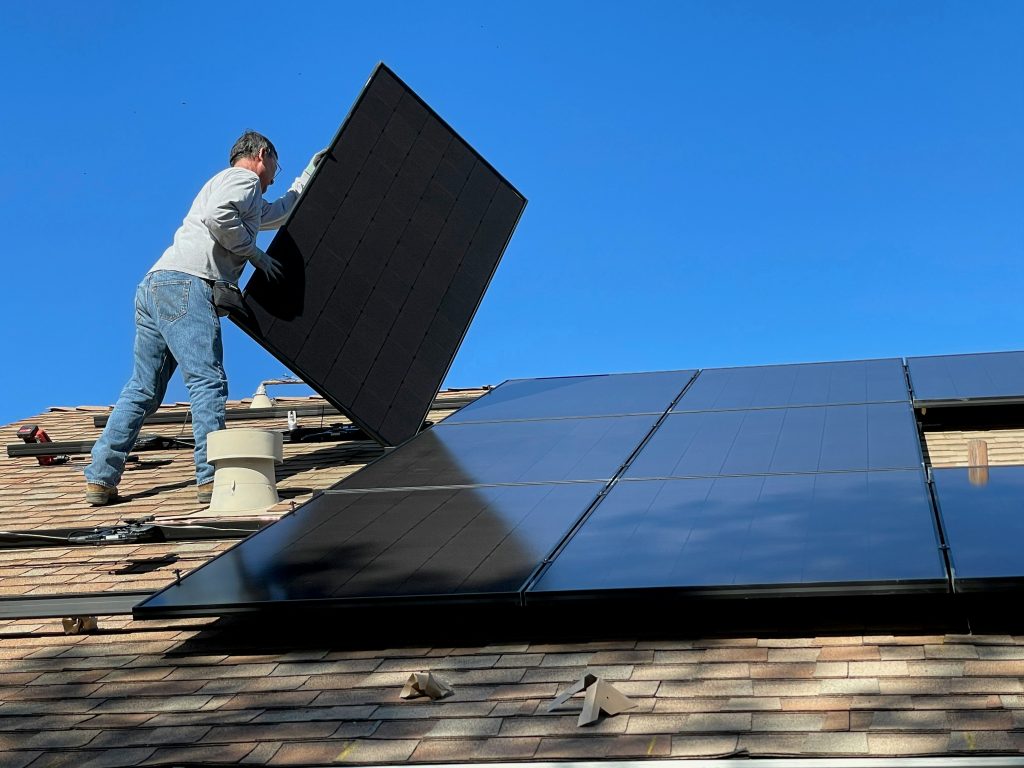
Government support for solar has shifted significantly in 2026. The federal Residential Clean Energy Credit (Section 25D, 30% tax credit) for homeowner-owned systems expired on December 31, 2025. This means new installations, panels, inverters, batteries, and installations no longer qualify. For example, a $15,000 system no longer gets a $4,500 federal tax reduction.
However, state-level programs remain important. Many states still offer cash rebates, tax credits, like New York’s 25% credit, property tax exemptions, or performance incentives. Net metering or net billing is active in most areas, letting homeowners earn credits for excess energy, though some rates have shifted lower.
Additionally, local programs and utilities sometimes provide small rebates, low-interest loans, or performance-based incentives. These state and local options can make solar more affordable, shorten payback periods, and boost long-term savings. Without federal support, homeowners benefit most by combining incentives with rising utility rates. Always check DSIRE.org, your state energy office, or local utility for exact programs in your area.
Common Myths About Solar Panels
Lots of people believe wrong things about solar panels. These myths stop them from trying solar. Let us clear up some false ideas.
Myth 1: Solar Panels Don’t Work When It Is Cloudy or Rainy.
They do work even on cloudy days. Efficiency is lower, but they generate electricity.
Myth 2: Solar Is Always Too Expensive.
Solar panel costs have come down much in recent years. There are rebates, tax credits, and payment plans.
Myth 3: Solar Panels Need a Lot of Upkeep.
They need very little care. However, you must clean them now and then—no moving parts.
Myth 4: Solar Damages Your Roof.
No, proper solar installation prevents roof damage. Also, panels protect roof surfaces from direct sun and rain.
Myth 5: Solar Only Works In Sunny Places.
Solar works in many climates. Cold or less sunny places still get daylight. Panels can use diffused light.
Myth 6: Solar Panels Don’t Last Long.
Most panels last more than 27 years. After many years, they may produce less power, but they still give value for decades.
Tips to Ensure 100% ROI from Solar
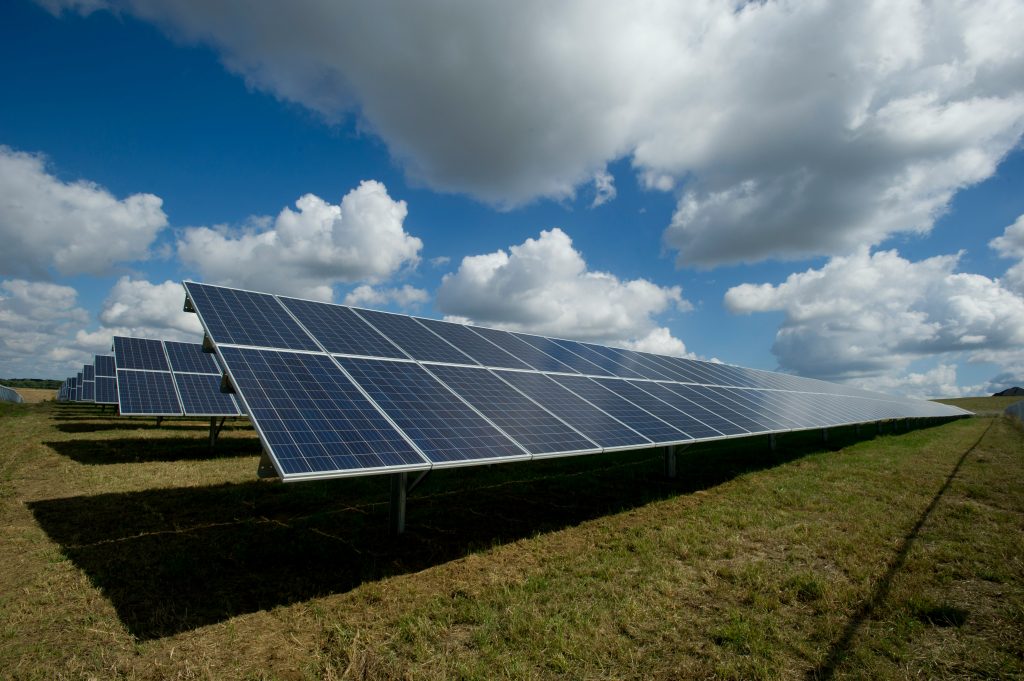
Solar panels help you save money while powering your home. But to get the most from them, you need to follow some precautions.
- Clean Your Panels Regularly
Dirt, dust, leaves, and bird droppings can be the reason for blocking sunlight. It lowers how much power panels make. Clean them every 2–3 months. In dusty areas, clean more often.
Use a soft cloth or brush. Use clean water. Avoid strong chemicals. Rain can help, but heavy dirt needs cleaning. Clean panels give more energy and save more money.
- Avoid Shade
Even a slight shade can lower energy efficiency a lot. Check for trees, antennas, or water tanks that block sunlight. Trim tree branches. Make sure no new structure casts shadows. Panels work best with full sun. So, keep the roof area clear to get the most energy.
- Install Panels Properly
Wrong solar panel installation wastes energy and money. So, hire an expert installer. It will make panels work better—angle, tilt, and direction matter. Use strong mounts and a frame, ensuring the system lasts longer.
- Monitor Your System
Use a monitoring tool or app to watch how much power you make. Check monthly for drops in energy. Low output can mean dirt, shading, or wiring problems. Fix problems fast to keep panels efficient. Monitoring also helps plan energy use and save more money.
- Use Energy in the Day
Using energy smartly saves money and gets more from your system. As panels make the most power during sunlight, run appliances like washing machines and dishwashers in the day. It reduces your electricity bill. If you have batteries, store extra power for night use.
- Use Incentives & Rebates
Federal 30% solar tax credit ended in 2026, but state, local, and utility programs still offer rebates, credits, and net billing, helping shorten payback and boost long-term savings.
When Solar Panels May Not Be Worth It
- Homes with little sun may not get enough power to save money.
- Small or shaded roofs lower panel efficiency and savings.
- Erroneously installed solar panels may fail prematurely and fail to produce enough energy to justify their initial high cost.
- In areas with very low electricity rates, savings from solar panels may take longer to show.
- Homeowners planning on selling soon may not recover solar panel costs before selling the property.
- Low-quality panels or inverters break faster and reduce savings.
Final Thoughts
Now, you have the answer to whether solar panels are worth it. Yes, they help you save money while providing clean energy. But you should decide carefully. Check how much sunshine your home gets. Look at the roof size and local electricity rates. Search for the panel quality and proper installation. Also, consider how long you will stay in your home. By looking at these facts, you can know if solar is right for you.
For the finest assistance, Solar Master Pro will guide you. We provide excellent panels, with proper installation & maintenance services at highly affordable rates. Contact us and share your energy needs! As you can see, the payback and long-term savings make solar a fantastic investment. To make it even easier, our solar financing services allow you to get started with little to no money down.


