Solar energy isn’t a new concept, but by 2026, it is one of the most talked-about issues within the U.S. energy debate. With the rising cost of electricity in several states, climate issues are affecting more of us, and solar technology is getting more efficient and affordable. The average homeowner is wondering if solar is worth it. Or what are the advantages and disadvantages of solar energy?
The answer isn’t black or white. Solar power offers a myriad of advantages that range from saving thousands of dollars over time to reducing the carbon footprint of a home significantly. But there are some real drawbacks that include the high initial costs, regional variations, and a lack of clarity in policy that could alter the figures quickly.
This article explains the pros and cons of solar power. Instead of the typical sales pitch, you’ll be given the actual benefits and drawbacks of solar energy in 2026, supported by data as well as case studies and examples from the real world.
| Advantages (Pros) | Disadvantages (Cons) |
| Drastically reduces or eliminates electricity bills | High upfront cost ($20,000–$30,000+ before incentives) |
| Increases home value (5–10% resale boost) | Intermittent production, needs batteries for night/bad weather |
| Pays back over time through energy savings (9–12 years typical) | Depends on roof age, condition, orientation, and sunlight |
| Protects the environment and reduces carbon footprint | Federal 30% tax credit mostly ended in 2026 (check local incentives) |
| Provides energy independence and blackout protection (with batteries) | Installation and permitting can be complex and time-consuming |
What Is Solar Energy and How Does It Work?
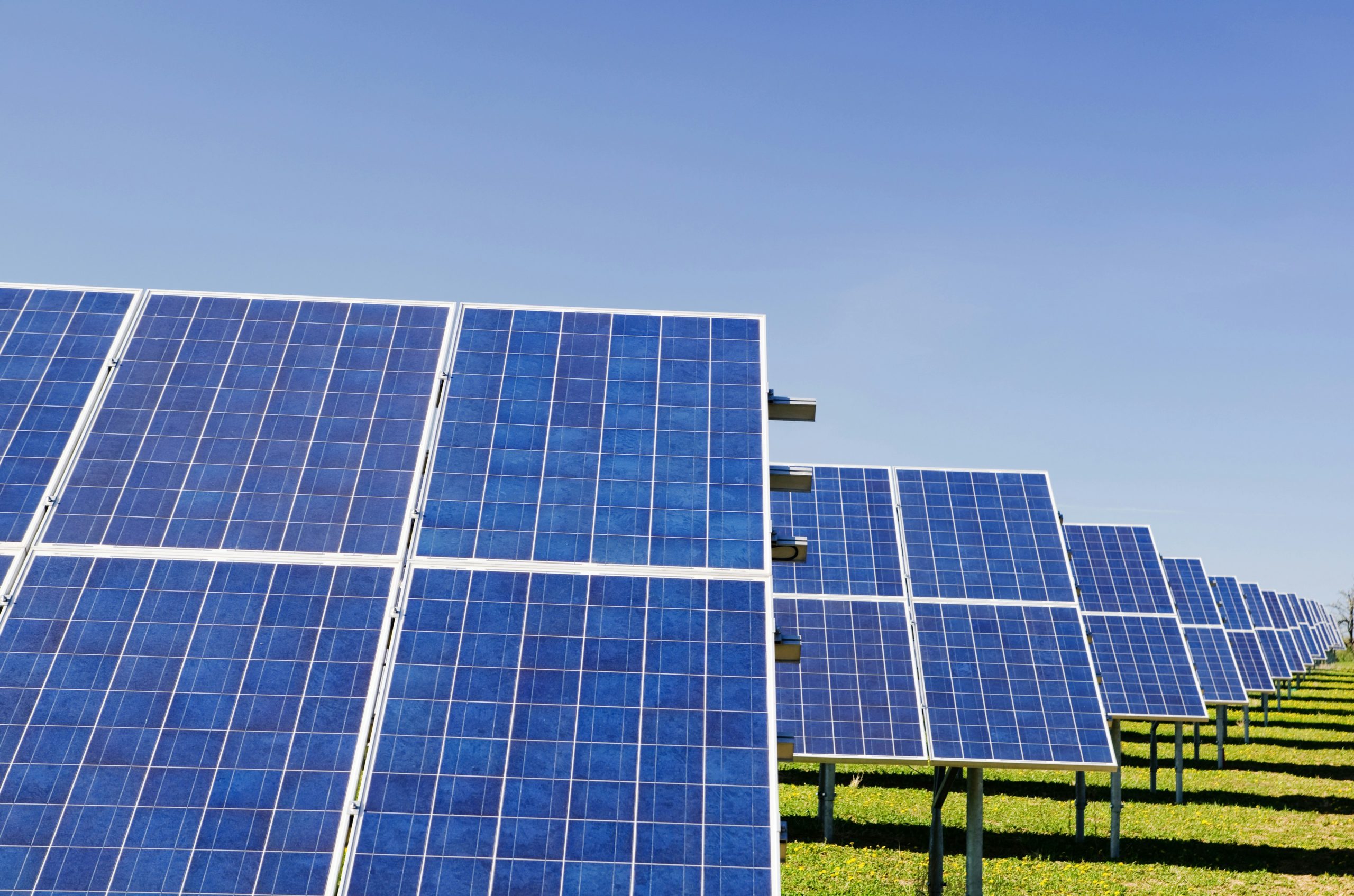
At its heart, solar power is the conversion of sunlight into usable electricity. The process is easy at the surface; however, beneath the glass panels that line your roof lies a fascinating technology. Let’s look at how the process works step-by-step:
- Panels Capture Sunlight
Solar panels are composed of photovoltaic (PV) cells, which are constructed out of silicon. They absorb light rays from sunlight.
- Conversion to Electricity
When photons hit PV cells and knock electrons off, they release them. This creates direct current (DC) electricity.
- Inverter Transformation
Homes don’t run on DC. Instead, an inverter converts DC into AC, or alternating current (AC), which powers your appliances, lights and electronic devices.
- Using the Power
The electricity is sent into three different places: directly to your home or kept in a battery system, or returned to the grid to be used for credit via net meters (in states where it is available).
In a nutshell, solar panels convert free sunlight into energy that you don’t have to purchase from your utility provider. That’s the appeal of using a source that is constantly shining and using it to lower your costs while decreasing reliance on fossil fuels. For a more in-depth look at this specific topic, read our post on the benefits of solar energy to the environment.
Solve the “Cost” Problem
Don’t let the upfront cost stop you. Our $0-down financing options can get you a new system with no money out of pocket.
Advantages of Solar Energy
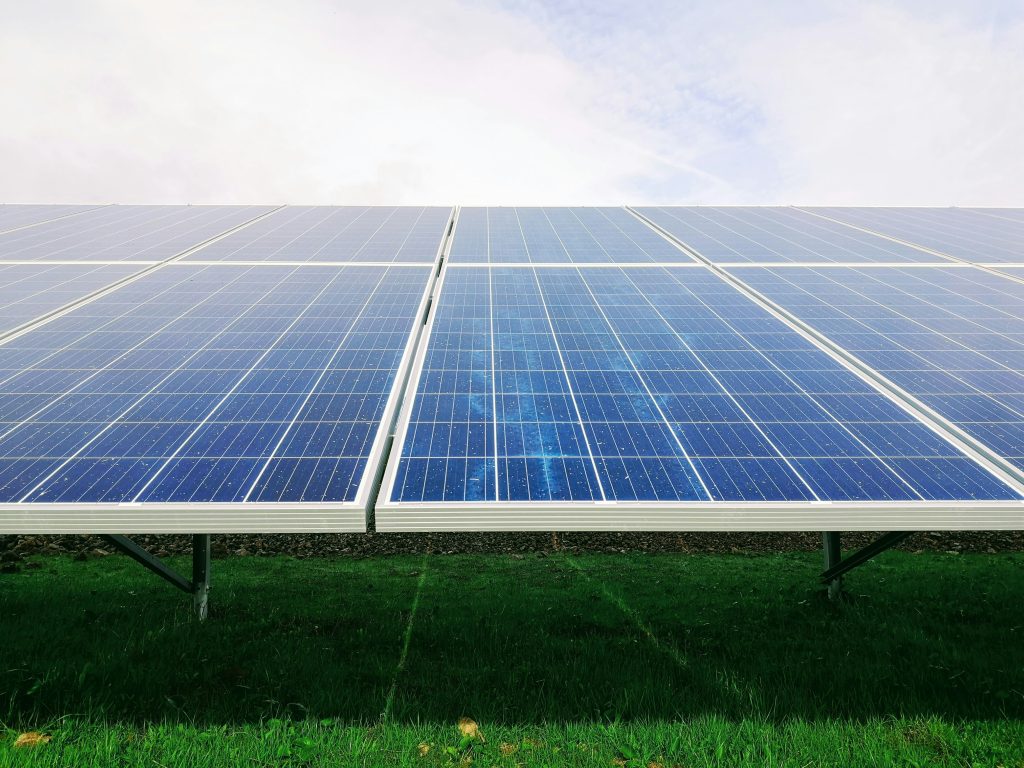
Solar energy offers many advantages, which is why millions of U.S. homeowners have already installed solar systems and why the use of solar energy is growing each year. Let’s take a look at the top benefits:
-
- Renewable and Abundant
In contrast to fossil fuels, which will eventually end up being exhausted the solar energy is virtually inexhaustible. According to the U.S. Department of Energy, only one hour of sunshine hitting Earth could supply all the world’s energy needs for a whole year, if it were captured. In the U.S. specifically, even northern states receive more sunlight per year than Germany, which is one of the top countries for solar adoption.
-
- Lower Electricity Bills
One of the biggest advantages of going solar is significantly lower electricity bills. In high-cost states like California, families paying $150–$200 per month (~$170 average in 2026) can save $1,800–$2,400 per year, adding up to $45,000–$60,000+ over 25 years.
Furthermore, states with high energy rates, like California (~30–34¢/kWh), New York (~23¢/kWh), Massachusetts, and Hawaii, offer the fastest payback and largest long-term savings.
Net billing, evolving from net metering, like California’s NEM 3.0, credits excess energy back to the grid at avoided cost rates, effectively letting your meter run backward. Beyond savings, solar reduces carbon emissions and supports a cleaner environment globally.
-
- Energy Independence
With solar panels, you’re no longer dependent on the grid. Connect solar panels to batteries for your home, and you’ll be able to enjoy blackouts without fear, an important benefit in states such as Texas and California, where outages are becoming more frequent. You’ll also be protected from rate hikes for utilities, which are expected to continue rising due to inflation and the cost of infrastructure.
-
- Low Maintenance and Long Lifespan
Solar panels are not equipped with moving parts, which means fewer components break. The majority of systems require only occasional cleaning (rain often does the trick) and a check-up every couple of years. In addition, many manufacturers provide warranties of 25-30 years, which makes solar a long-term investment.
-
- Environmentally Friendly
The typical U.S. solar system cuts 3-4 tons of carbon emissions every year. To put it in perspective, that’s about the equivalent of planting more than 100 trees every year. For those who are environmentally conscious, solar is among the most significant personal actions you can take.
-
- Scalable and Flexible
Solar isn’t only designed for suburban roofs. It can be used on the rooftops of farms, urban rooftops, schools, commercial buildings, and others. It can be as small (just the size of a couple of panels) or huge. Combining solar and an EV charger means that you’re not just providing power to your home using the sun, but also supplying fuel to your vehicle.
Solve the “No Power at Night” Problem
A home battery stores your excess solar energy from the day to power your home at night or during a blackout. Get true energy independence.
Disadvantages of Solar Energy
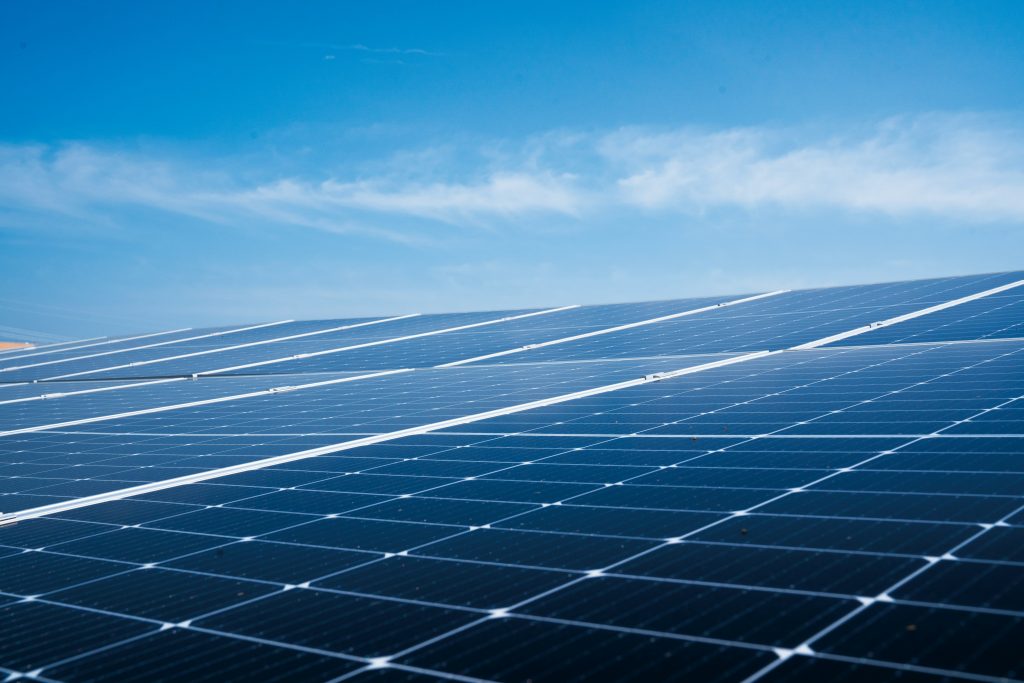
While solar is a great option but it’s not a suitable solution for all. There are some real issues that every homeowner must be aware of prior to signing an agreement. Let’s review the main disadvantages:
-
- High Upfront Cost
A typical residential solar system in the US costs $15,000–$30,000+ before incentives in 2026, with the national average around $20,000–$25,000 for 6–10 kW systems (~$2.50–$3.50 per watt).
Although financing options like loans are available, interest can increase the total cost over time. Additionally, the federal 30% tax credit ended for most homeowner-owned systems after December 31, 2025, leaving only limited state or local incentives.
Nevertheless, the initial investment often pays off through lower electricity bills in 9–12 years. Ultimately, costs vary by location, system size, and installer, so getting local quotes is essential.
-
- Weather and Location Dependent
Solar panels still generate energy even in cloudy weather, but their efficiency is reduced. This is why Arizona and Nevada homeowners reap quick benefits, as cloudier states such as Washington will take longer.
-
- Roof Space and Condition
A standard 5kW system (enough to power many homes) requires 300-400 square feet of roof area. If your roof is shady, small, or in need of replacement, solar might not be the best option right now.
-
- Energy Storage Costs
Batteries improve solar by storing energy for night or cloudy days and during outages. A Tesla Powerwall 3 costs $15,000–$17,000 installed, while other home batteries range from $10,000 to $18,000. Lithium-ion batteries last 10–20 years. Although pricey, they boost reliability and support off-grid or backup power needs.
-
- Manufacturing and Recycling
Solar panels are safe after installation, but production requires the mining of materials, such as copper, silicon and lithium. Recycling is feasible but costly, and the U.S. doesn’t yet have solid infrastructure for it.
-
- Efficiency Losses
Solar panels may not always produce their advertised output. In real life, many factors affect the efficiency of solar panels:
-
- Shading of trees or nearby structures
-
- Dust, dirt and snow are accumulating on panels
-
- Heat (ironically, panels perform less efficiently at high temperatures)
-
- Inverter losses incurred during the transition of DC to AC
All in all, it means that the majority of systems are producing between 75% and 85% of their full potential. Although this is still sufficient to meet the majority of household needs, homeowners need to realize that they may not always get “perfect” numbers.
-
- Soft Costs
One of the most shocking disadvantages that solar has in the U.S. is that soft costs, such as permits, inspections, labor, grid connection costs, and marketing, can make up more than 50% of the total cost. In countries that have streamlined installation procedures, solar panels are less expensive. As long as the regulations and red tape are trimmed, Americans will keep paying more than they should.
-
- Installer Risks
Not all installers are the same. An installation that is not done properly can:
-
- Lower the system’s output
-
- Cause leaks in the roof
-
- No-show warranties
This is why experts advise choosing NABCEP-certified installers and insisting on clear and written contracts. With the solar industry growing, Fly-by-night companies often make mistakes, and homeowners have issues.
-
- Payback Time
Solar isn’t a fast track to riches. Even in sunny areas, the payback period is usually between 6 and 8 years, and in more cloudy areas, it can go beyond 12 years. If you plan to move within the next couple of years, you may not be living in the house for long enough to reap the full financial benefits.
-
- Aesthetic Concerns
Although solar technology is advancing in terms of design, not everyone is a fan of the appearance of solar panels. Certain homeowner’s associations (HOAs) remain adamant against the installation. Alternatives such as sleeker black solar shingles or solar panels are available; however, they usually cost more.
Mail Us For More Info
Prefer to email? Send us your questions about the pros and cons, or attach your utility bill, and one of our solar consultants will reply with a free, detailed analysis.
Case Studies
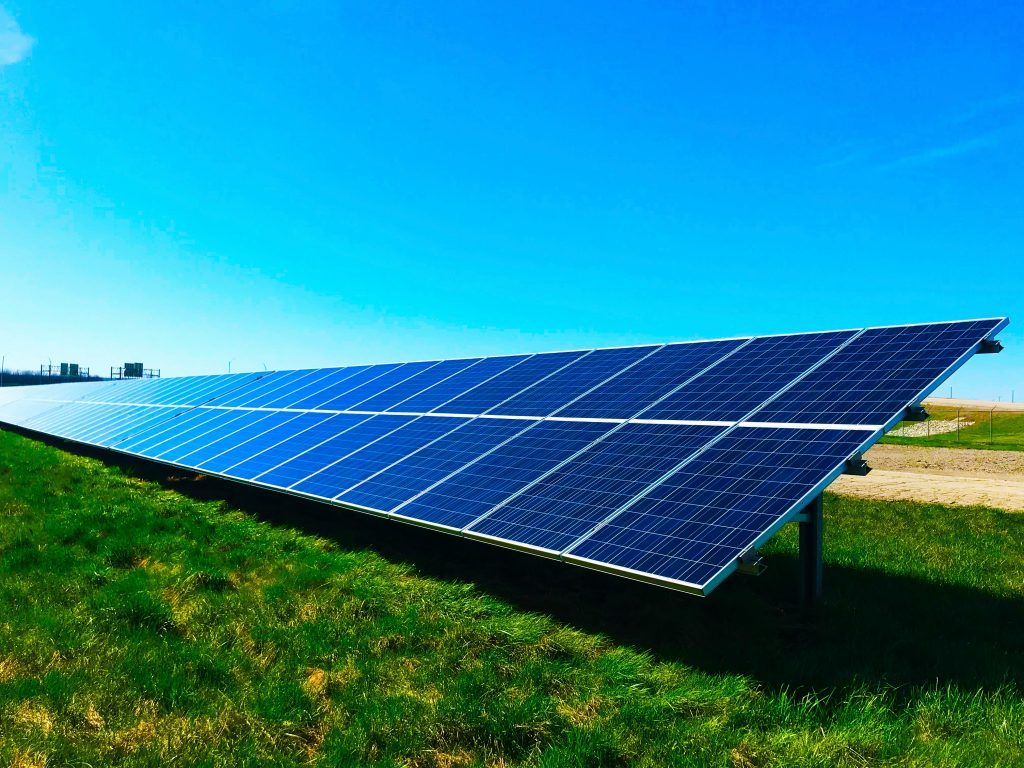
Here’s how solar performs in three different states for typical 6–10 kW residential systems (before any local incentives; federal 30% ITC ended 2025 for most homeowner-owned installs).
California
-
- System Cost: ~$20,000–$25,000 (~$3.00–$3.14/W)
-
- Annual Savings: ~$1,800–$2,400 (high rates ~30–34¢/kWh, abundant sun)
-
- Payback Time: ~8–10 years
High electricity rates, plentiful sunshine, and programs like SGIP make California ideal for solar. Storage is valuable due to frequent blackouts.
Texas
-
- System Cost: ~$18,000–$22,000 (~$2.50–$3.00/W)
-
- Annual Savings: ~$1,200–$1,800 (rates ~12–15¢/kWh)
-
- Payback Time: ~10–12 years
Texas benefits from strong sun, growing solar demand, and property tax exemptions. Solar helps reduce outage risks after storms.
New York
-
- System Cost: ~$22,000–$28,000 (~$2.78/W)
-
- Annual Savings: ~$1,500–$2,000 (rates ~23¢/kWh, state rebates)
-
- Payback Time: ~10–12 years
State incentives like NY-Sun rebates and tax credits improve payback despite less sunshine.
Is Solar Worth It in the U.S.?
Is solar power a good investment in 2026? The answer will depend on your specific situation. Let’s take it apart:
Best in 2026
-
- Homeowners in sunny states with high electricity rates, like Arizona, Nevada, California, Texas, Hawaii, or Florida
-
- Families with high monthly electric bills, typically $150–$250 or more
-
- People planning to stay in their home long-term (10–15 years) to maximize savings
-
- Households worried about blackouts or grid reliability, especially when adding battery storage like Tesla Powerwall or Enphase
These groups get the fastest returns and biggest benefits from solar in 2026, thanks to rising utility costs, strong sunlight, and better battery options, even without broad federal incentives.
It is not ideal for:
-
- Short-term homeowners or renters (you aren’t able to carry solar panels easily)
-
- Houses with small, shaded, or old roofs
-
- Homeowners who aren’t able to pay upfront costs or do not want long-term financing
In simple terms, if you reside in a sunny location and you plan to stay there and have the funds for solar installation, it is one of the best possible long-term investments that you can make. If not, for a couple of years might be a better option as prices are dropping as technology improves, and incentives are growing.
Get an Honest, Custom Consultation
Our experts can provide a free, no-obligation assessment of your specific home. We’ll give you a clear, honest breakdown of *your* personal pros, cons, costs, and savings.
Future of Solar Energy
Solar power isn’t slacking off; in fact, the next 10 years could see it change from a renewable energy source to a dominant one. Here’s what’s coming:
-
- Falling Costs
Prices for solar panels have dropped by over 80% in the past decade, and prices are expected to continue falling as the manufacturing process expands.
-
- New Technology
Breakthroughs in solar cells like perovskite could boost efficiency over the silicon panels of today and make solar more efficient even in the midst of cloudy weather.
-
- Solar Shingles
The likes of Tesla are advertising solar roofs that are replacing traditional shingles with ones that produce energy. Although they’re expensive, they are appealing to those who do not like the appearance of shingles.
-
- Better Batteries
Lithium batteries made of solid-state and next-generation are expected to last longer, with cost savings, as well as a higher storage capacity, making off-grid living more feasible.
-
- Community Solar
For those renting or who do not have good roofs, community solar programs are growing. These programs allow households to purchase into shared solar farms and receive savings on their bill.
-
- DOE’s 2035 Projection
According to the U.S. Department of Energy, solar power could provide up to 40% of U.S. electricity by 2035. This is a significant leap from the current numbers and demonstrates how crucial solar will be in the future of energy for the United States.
Get an Honest Answer for Your Home
Our solar experts can provide a free, no-obligation assessment of your roof and show you a real-world cost and savings estimate.
Conclusion
In 2026, solar energy is among the most likely clean power options for U.S. homeowners. It will allow you to reduce your energy bills, gain energy independence, and decrease the carbon footprint of your home in a significant way. The technology is maturing and incentives are strong, and adoption is growing each year.
But it’s not a one-size-fits-all solution. Costs that are high upfront costs and regional variations in the amount of sunlight, as well as policy uncertainty, mean that solar isn’t a good fit for every household in the present. If you live in a sunny region with high electricity bills and are planning to stay in your house for a long time, solar is an excellent environmental and financial investment.
On the contrary, if your roof isn’t ideal or your electricity bills are low or you’re planning to move in the near future, waiting to see the next wave of lower-cost, more efficient solar technology might be the better option.
The final word? Solar is in the future, and its impact will only increase. For 2026, it’s the perfect time to jump into the solar market; however, for many, the best approach could be to wait.
FAQs
Does solar power work in winter?
Yes, solar panels don’t require scorching temperatures; they require daylight. In reality, panels tend to perform better with cooler temperatures. Even though winter brings shorter days and more clouds, panels still generate electricity. Snow can block sunlight temporarily, but in the majority of cases, panels are set in a way that lets snow slide off.
Can solar damage my roof?
It’s not if it’s properly installed. An experienced installer will install the mounting hardware in a manner that protects the integrity of the roof. In reality, solar panels typically protect the area of the roof that they cover by insulating it from direct sunlight, rain and snow. The most important thing to do is ensure the roof is in great repair before installation.
Do I have the option of leasing instead of purchasing?
Yes, leasing or utilizing the Power Purchase Agreement (PPA) is an option if you do not want to pay for the system in advance. In the case of leasing, you do not own the equipment and therefore have lower initial costs, but also lower savings over the long term. A purchase (or financing to purchase) generally provides the best return over a period of 20-30 years.
How long do panels last?
The majority of solar panels last between 25 and 30 years. They experience a gradual decline in efficiency as time passes (about 0.5-1% annually). In the next 25 years, solar panels could still generate between 75% and 80% of their initial output. This is still plenty of power that can be used.
What happens after they start to wear out?
At the point that panels reach the end of their life, they don’t stop working, but they produce less. Recycling options are increasing; however, the U.S. doesn’t yet have the infrastructure to handle old panels. Expect this to improve over the next decade as more and more systems wear out.